Loft Insulation Specialists in Cumbria

Removal, replacement, and new installation across Cumbria and the Lake District

Book a free loft survey

A quick chat, a short site visit, and a clear written price. No surprises, no hard sell.

  • 💷
    Clear fixed prices, written down on the day
  • 🕐
    Mon to Sat, 08:00 to 18:00
  • 👤
    Owner-led by Brad, personally on site
  • 📍
    Covering Cumbria, the Lakes, and the Borders
Google ★★★★★ Google rated
Facebook ★★★★★ Facebook rated

Our Easy
Online Booking Form

1
OPEN THE LINK Fill out your details
2
SELECT DATE/TIME Choose a time that suits you
3
CONFIRMED You'll receive a confirmation email
4
REMINDER You'll get a reminder one day before with the details

Book Your Appointment

Contact information

First name
Last name
Email address
Phone number

How can we help you?

Submit
Get a Free Quote

Why choose 714 Insulation?

714 Insulation is owner-run by Brad Todd, with his colleague Zach. After five years learning loft work in Portsmouth, Brad moved back home to Cumbria to start his own business. Every job is quoted, fitted, and signed off by one of them. No subcontractors, no pass-the-parcel.

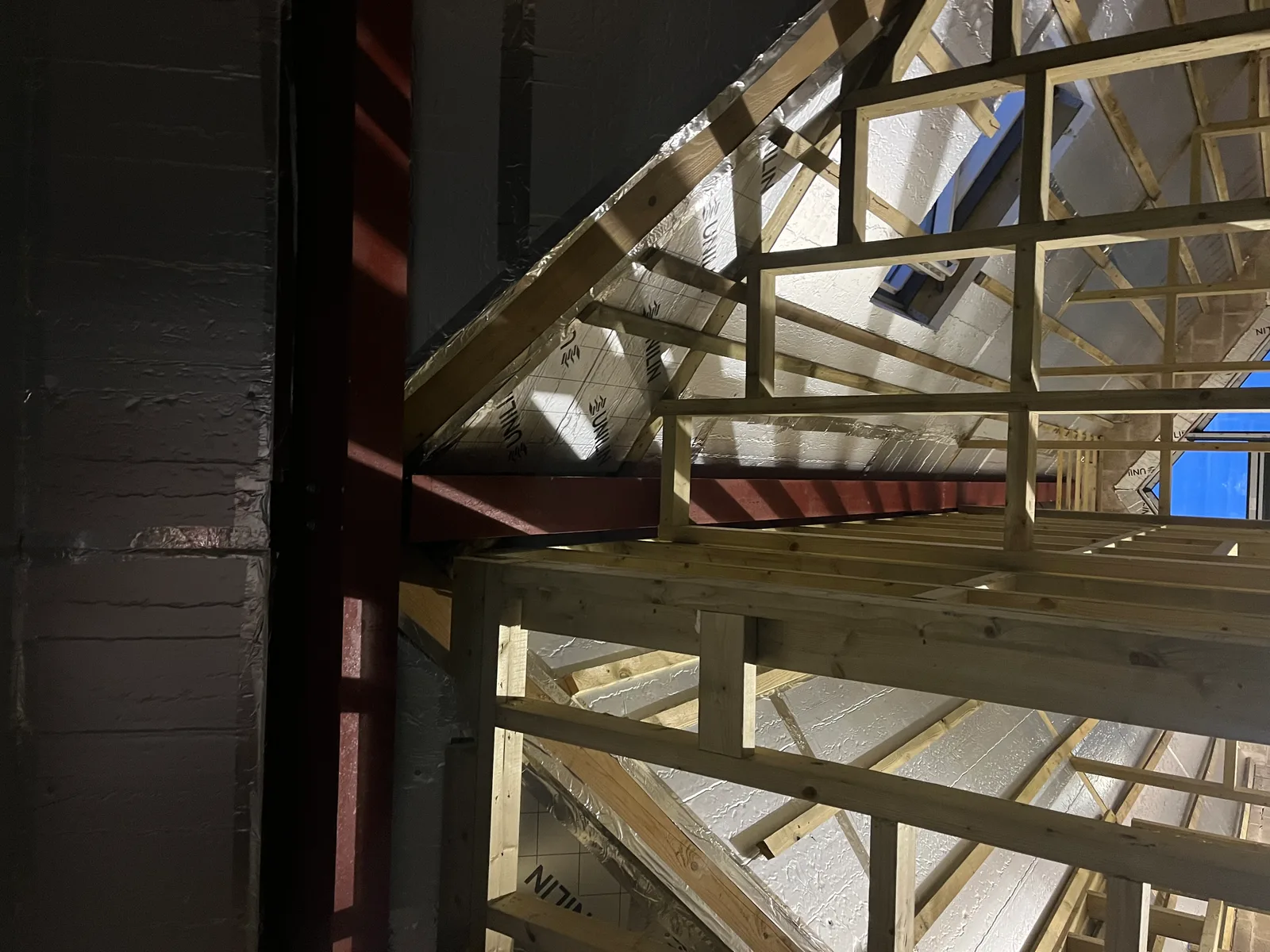
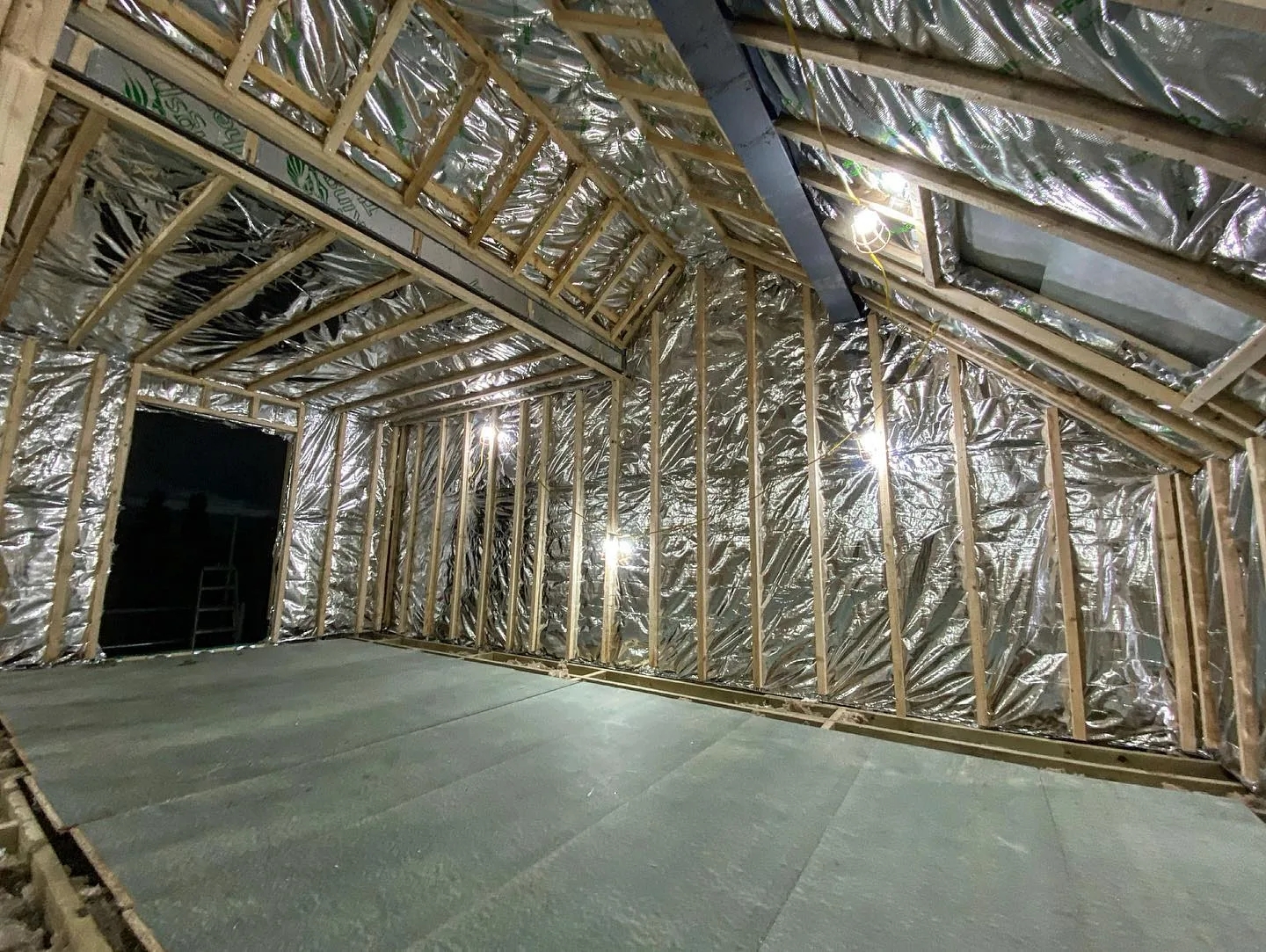
We only do lofts. That's deliberate. Specialising means we do a handful of things properly rather than dabbling in half the trades. Mineral wool installed to the right depth, around downlights, past awkward hatches, on steep-pitched old Cumbrian cottages as well as modern builds.

Pricing is written down before we touch anything. If something changes mid-job, we stop and agree it with you first. The quote you get is the price you pay, barring genuine surprises, and most jobs fall exactly where we predicted.

The business has grown through word of mouth and repeat recommendations. Customers keep our number, pass it to neighbours, and phone back when another room or property needs doing. That's the bar we hold ourselves to, and it's the reason most of our work comes from the last customer's doorstep.
Brad Todd, 714 Insulation

Frequently Asked Questions

General Questions

What areas do you cover?

We cover Cumbria, the Lake District, Northumberland, Dumfries & Galloway, and the Scottish Borders. Typical towns include Carlisle, Wigton, Penrith, Keswick, Kendal, Workington, Whitehaven, Hexham, Dumfries, and Annan. If you're not sure whether we cover you, call 07899 988437 and we'll give you a straight answer.

How long have you been trading?

Brad spent five years fitting loft insulation full time in Portsmouth before setting up 714 Insulation in Cumbria. The business has grown steadily through word of mouth, and the work is shared day-to-day between Brad and his colleague Zach.

Do you offer free quotes?

Yes. Every job starts with a free, no-obligation survey. We look at the loft, talk through what you need, and give you a written fixed price. There's no charge whether you go ahead or not.

What payment methods do you accept?

We accept bank transfer and cash. Payment is taken on completion of the work once you're happy with the result. For larger jobs we're happy to agree a small deposit and a balance-on-completion schedule upfront.

Who will turn up to do the job?

Brad or Zach. Usually both on larger jobs. We don't use subcontractors or agency fitters, so the person who quoted the work is the person fitting it.

Do you guarantee your work?

Yes. Every install comes with a workmanship guarantee. If anything is not right with the fit, we'll come back and put it right, no argument. We also register manufacturer-backed product guarantees on the insulation where the product offers one.

How quickly can you come out?

Most free surveys are booked within a week, often sooner depending on where you are in the coverage area. Installs themselves are typically scheduled one to three weeks after quoting, and we'll always give you a realistic date rather than the optimistic one.

When should I remove my old loft insulation instead of topping it up?

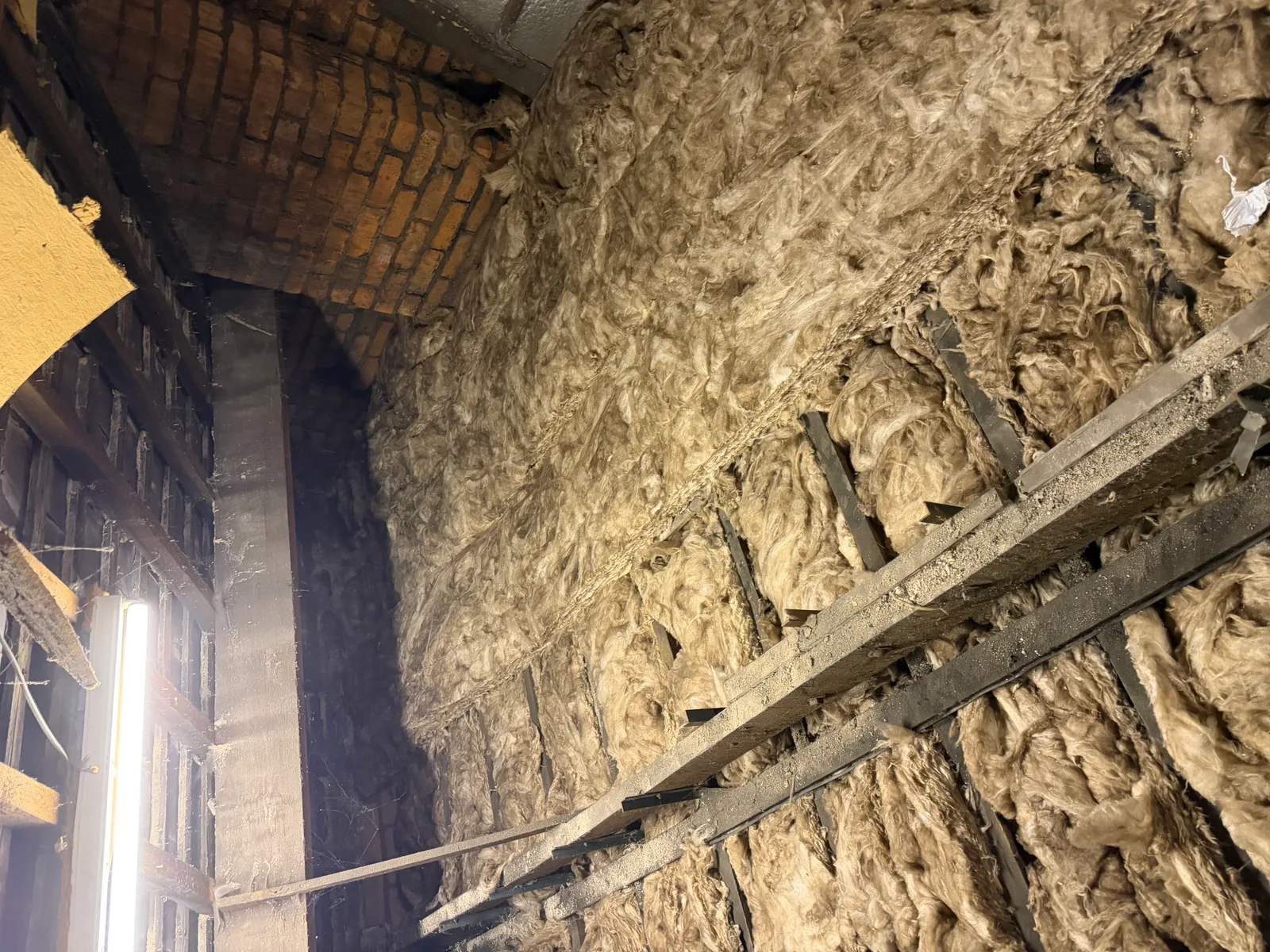
While you can often top up existing insulation, removal is recommended if the old material is damp, compressed, mouse-contaminated, covered in soot from old chimneys, or so old it's lost its thermal value. Laying new insulation on top of failed material locks in the problem. A quick survey tells us which category your loft is in.

Can I have new insulation installed on top of the old?

If the old insulation is dry, clean, and in good condition, yes. Laying fresh mineral wool on top to bring the overall depth up to 270-300mm is a quick and effective upgrade. If the old material has any of the problems mentioned above, removal is the better call. We'll show you what we find before you decide.

How much does removal and replacement cost?

Most removal-and-replace jobs fall between £900 and £4,400. The range reflects loft size, how bad the existing material is, and whether any boarding or awkward access is involved. We quote a fixed price in writing after the free survey so you know exactly what you're committing to.

How do you remove the old insulation cleanly?

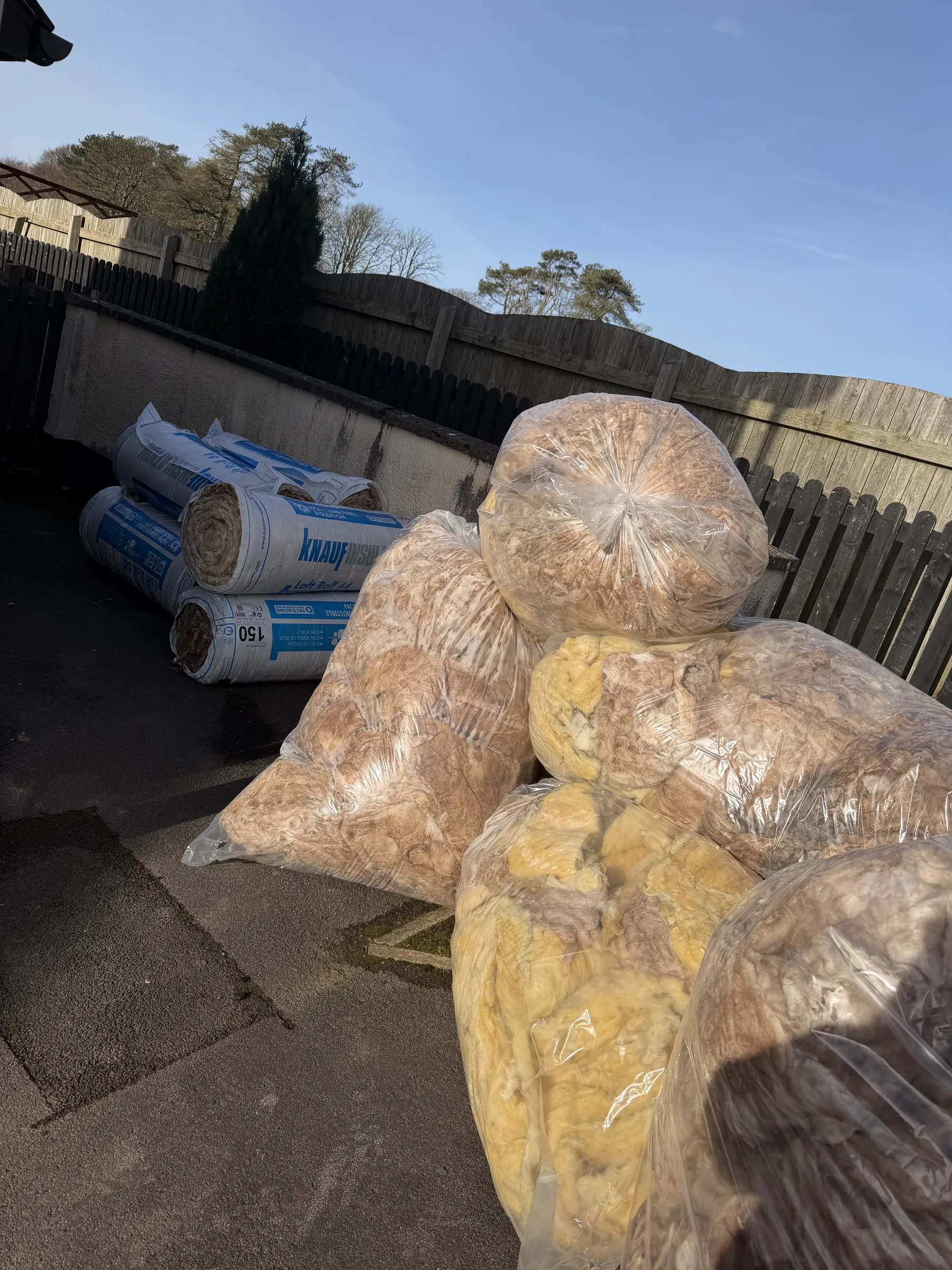
We bag the old material carefully inside the loft using heavy-duty rubble sacks, and we use vacuum extraction on the finer debris where needed. The sacks go straight out to the van. We cover flooring and landings on the way through to keep the rest of the house clean.

What do you do with the old insulation?

We remove it from site and dispose of it at a licensed waste facility. You don't need to arrange a skip or a separate collection. Disposal is included in the quoted price, so there are no surprise fees on the day.

Can you deal with rodent-contaminated loft insulation?

Yes. Mouse and squirrel contamination is common in older Cumbrian properties, particularly rural ones. We bag and remove the affected material, clean down, and re-insulate with fresh mineral wool. If there's an active rodent issue we'll flag it and suggest getting a pest professional in first so the new insulation isn't immediately contaminated too.

How long does a removal and replacement job take?

Most jobs are completed in a single day. Very large lofts or properties with difficult access sometimes run into a second day. We'll give you a realistic time estimate as part of the written quote so you can plan around us.

What is the recommended depth for loft insulation?

Current Building Regulations (Part L) recommend 270mm of mineral wool, and many installers now go to 300mm to account for settlement over time. Much below 270mm and you're leaving money on the table. We install to 270-300mm as standard.

How much loft insulation do I need?

For a standard 270mm depth, a typical 3-bed semi needs roughly 40-50 square metres of coverage. We measure the loft during the free survey and include the exact material quantity in the quote, so there's no guesswork or shortfall.

How much does a new loft insulation install cost?

Most new-install jobs fall between £500 and £2,500, depending on loft size, access, and whether you need boarding walkways laid at the same time. You'll get a fixed written price on the day of the free survey, not a rough "from" figure.

How long does installation take?

A standard loft install is almost always finished in a single day. Bigger properties or jobs where we're also fitting crawl boards, hatch upgrades, or tank jackets might run longer, but you'll know before we start.

What type of insulation do you use?

We use mineral wool (glass wool or rock wool) as standard. It's allergy-safer than older fibre types, has excellent thermal and sound performance, and is non-combustible. For specific situations, such as very shallow eaves or accessible storage lofts, we'll recommend alternatives.

Does loft insulation need Building Regs approval?

For most straightforward loft insulation upgrades, no approval is needed; it's exempt work. We install to the Part L standard as a matter of course, so if you ever do need to demonstrate compliance (for example, during a property sale), the work is already there.

Will loft insulation cause condensation in my roof?

Not when it's done properly. We always check eaves ventilation is clear, leave a ventilation path at the edges, and never stuff insulation hard against the roofing felt. That keeps air moving and moisture moving out. Most loft damp issues are from blocked vents, not from insulation itself.

Are there grants or schemes that can help pay for loft insulation?

Depending on your situation, you may qualify for government-backed schemes like ECO4 or GBIS, which can contribute to the cost of loft insulation. We aren't currently a grant-registered installer, so we quote on a straight paid-for basis, but we'll always flag it if we think you'd be better off applying to a scheme first.